
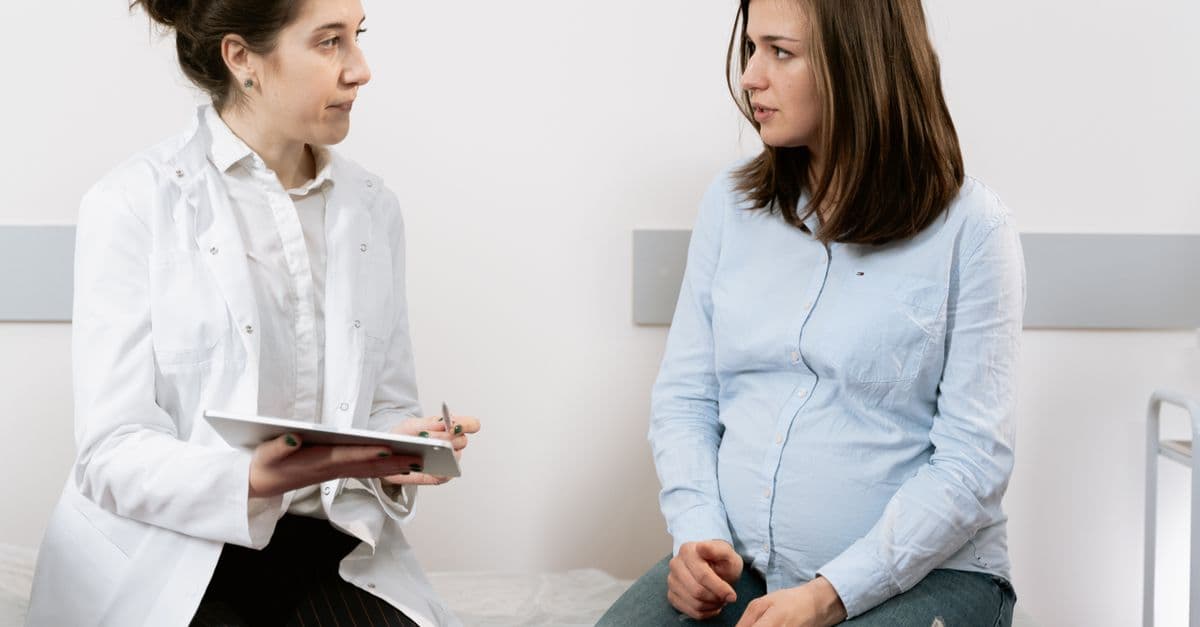
The first appointment isn't a test you need to show up for knowing everything. It's the start of an ongoing conversation about your health, your pregnancy and your family's reality. In the SUS (Brazil's public health system), the entry point is usually the nearest Unidade Básica de Saúde (UBS, a primary care clinic).
Brazil's Ministry of Health advises starting prenatal care as soon as pregnancy is suspected or confirmed, preferably by the 12th week. If that window has already passed, it's still worth going: starting now matters more than putting it off out of embarrassment.
What to bring
Set aside an ID document, your Cartão SUS (public health system card) if you have one, your vaccination card, recent test results and a list of the medications, vitamins and supplements you take. If you know it, write down the date of the first day of your last menstrual period; it helps estimate gestational age, but the ultrasound and clinical assessment also factor into that calculation.
Note down allergies, surgeries, previous pregnancies, health conditions and any questions that have come up since the test. Don't stop or start any medication on your own before talking with the care team.
What usually happens
The team may go over your history, check your blood pressure and weight, assess risks, order tests, review your vaccines and record information in your Caderneta da Gestante (Brazil's official pregnancy record booklet). The care plan is individual: tests and referrals may change according to each person's history and findings.
It's also a good time to ask where to get care outside the UBS's opening hours, which signs require an assessment before your next appointment, and which maternity hospital or Centro de Parto Normal (birth center) is the reference for your area.
Bring someone, if that helps
Having someone you trust with you can help you remember advice, share decisions and be involved from the start. But the appointment should also leave room for you to speak privately whenever you want.