
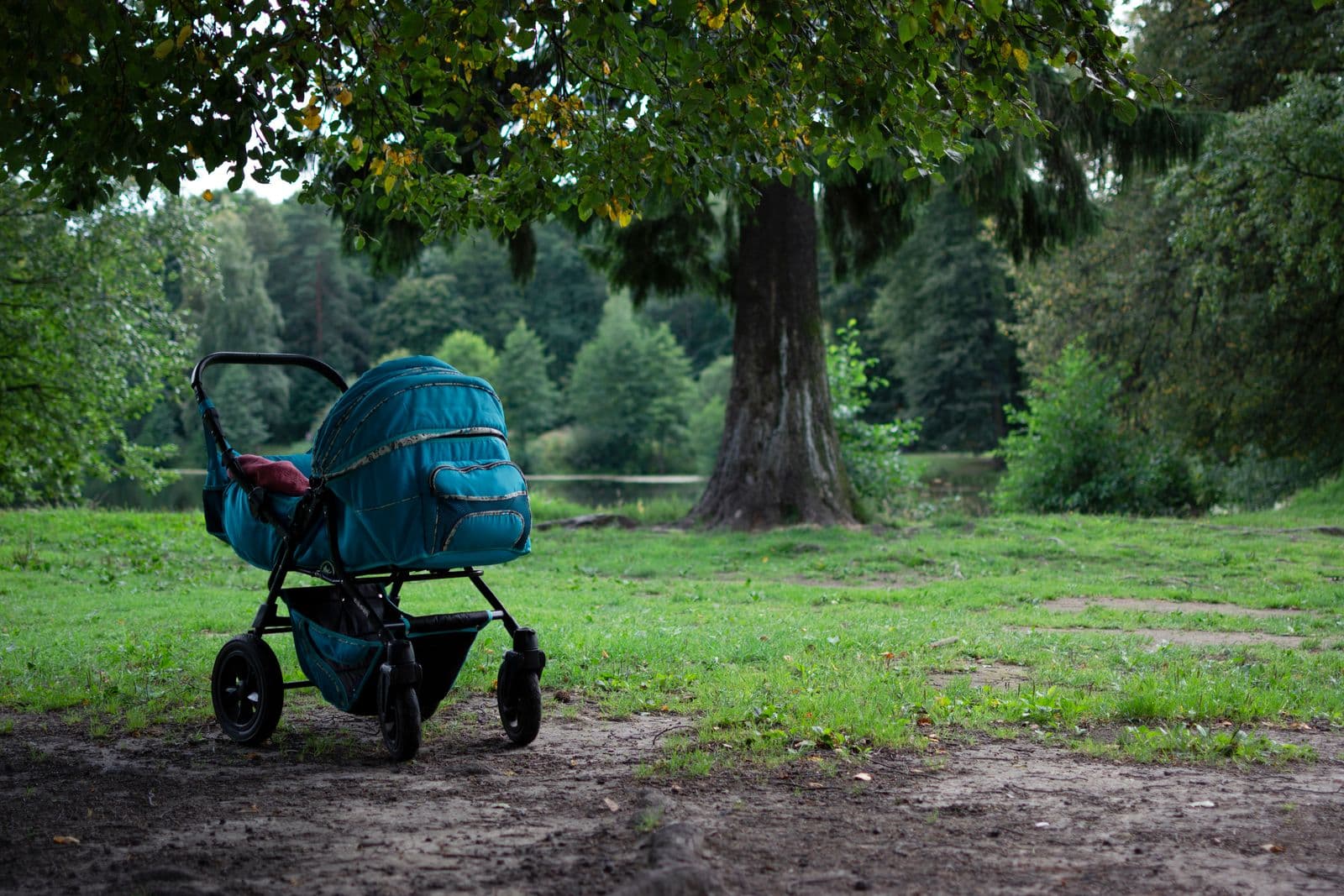
There's no 'best stroller' in general — there's the stroller that works for your routine, your building, your car and your budget. Setting your criteria before comparing models keeps you from impulse-buying something that won't fit into real life.
The seven points to assess
1. Main use: long walks, everyday city commuting or occasional trips — each one calls for a different kind of stroller.
2. Weight and how easily it folds: this matters much more when you need to climb stairs or get on public transport on your own.
3. Storage space: does it need to fit in the elevator, in your car trunk or in a narrow apartment hallway?
4. Type of terrain: bigger wheels handle uneven sidewalks better; small wheels tend to be lighter for flat city use.
5. Safety certification: in Brazil, check whether the model is registered with Inmetro (Brazil's product certification agency).
6. One-handed folding: it seems like a detail, but it makes all the difference when you're holding the baby with your other arm.
7. Infant car seat compatibility: some strollers let you click the infant car seat on top (travel system), which is useful in the first months.