
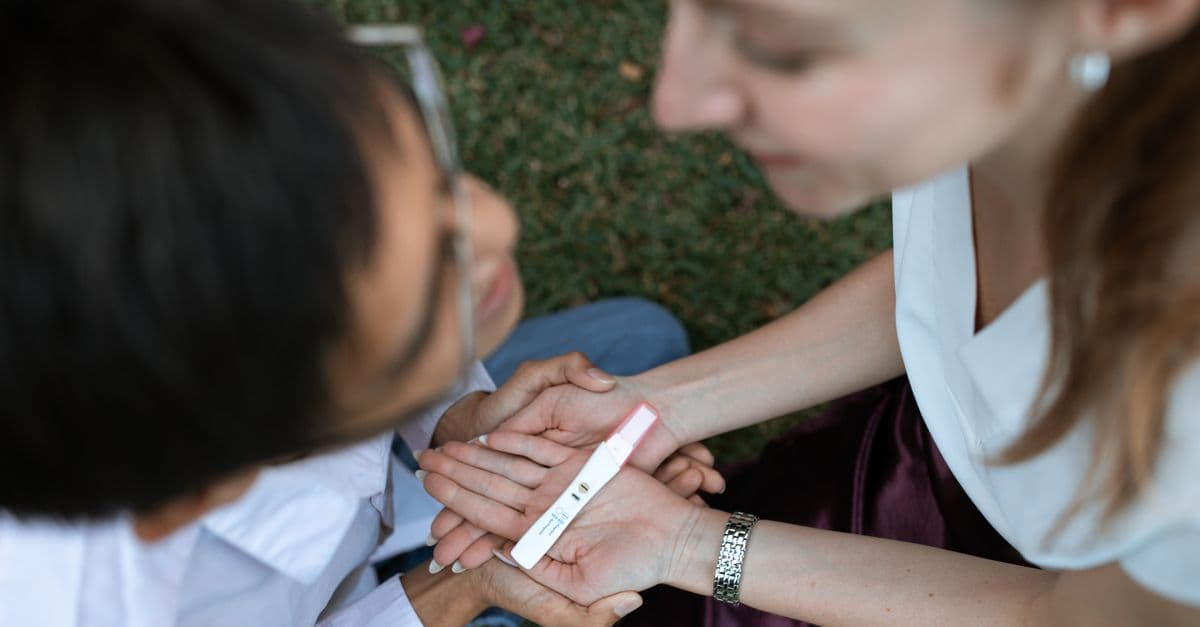
Care can start before the positive test, but that doesn't mean controlling every detail or blaming yourself for what can't be predicted. The preconception visit exists to look at health as a whole, identify conditions that deserve follow-up and put together a plan that fits the reality of the person who wants to get pregnant.
This planning also involves the partner or the person you are building the pregnancy with. Sexual health, infection prevention, smoking, alcohol, diet, emotional health and working conditions can all be part of the conversation without turning the process into a list of demands.
Schedule a conversation before trying, when possible
At the UBS (Primary Health Unit) or the service that looks after your health, talk about past illnesses, surgeries, family history, previous pregnancies and current treatments. Bring a list of the medications, vitamins, teas and supplements you use. Some products need to be reviewed before conception, but no ongoing treatment should be stopped on your own.
The team can also check your vaccinations, preventive tests and specific needs. People with diabetes, high blood pressure, epilepsy, thyroid disease or other chronic conditions especially benefit from individualized planning.
Talk about folic acid before the positive test
Brazil's Ministry of Health recommends folic acid in the preconception period because it lowers the chance of neural tube defects. The dose and timing need to take your health history into account: some people need different guidance, so a supplement shouldn't be chosen just because friends or social media recommend it.
A varied diet, whatever movement is possible for you, sleep and care with alcohol and tobacco also matter, but they don't all need to change on the same day. Choose one or two realistic actions and build consistency. Useful preparation is the kind that fits into your life and can be sustained.
When the test comes back positive
Try to start prenatal care as soon as you find out you're pregnant. Bring the information gathered at the preconception visit and mention any recent medication or exposure. Heavy bleeding, severe pain, fainting or a significant worsening of your general condition should not wait for a routine appointment.